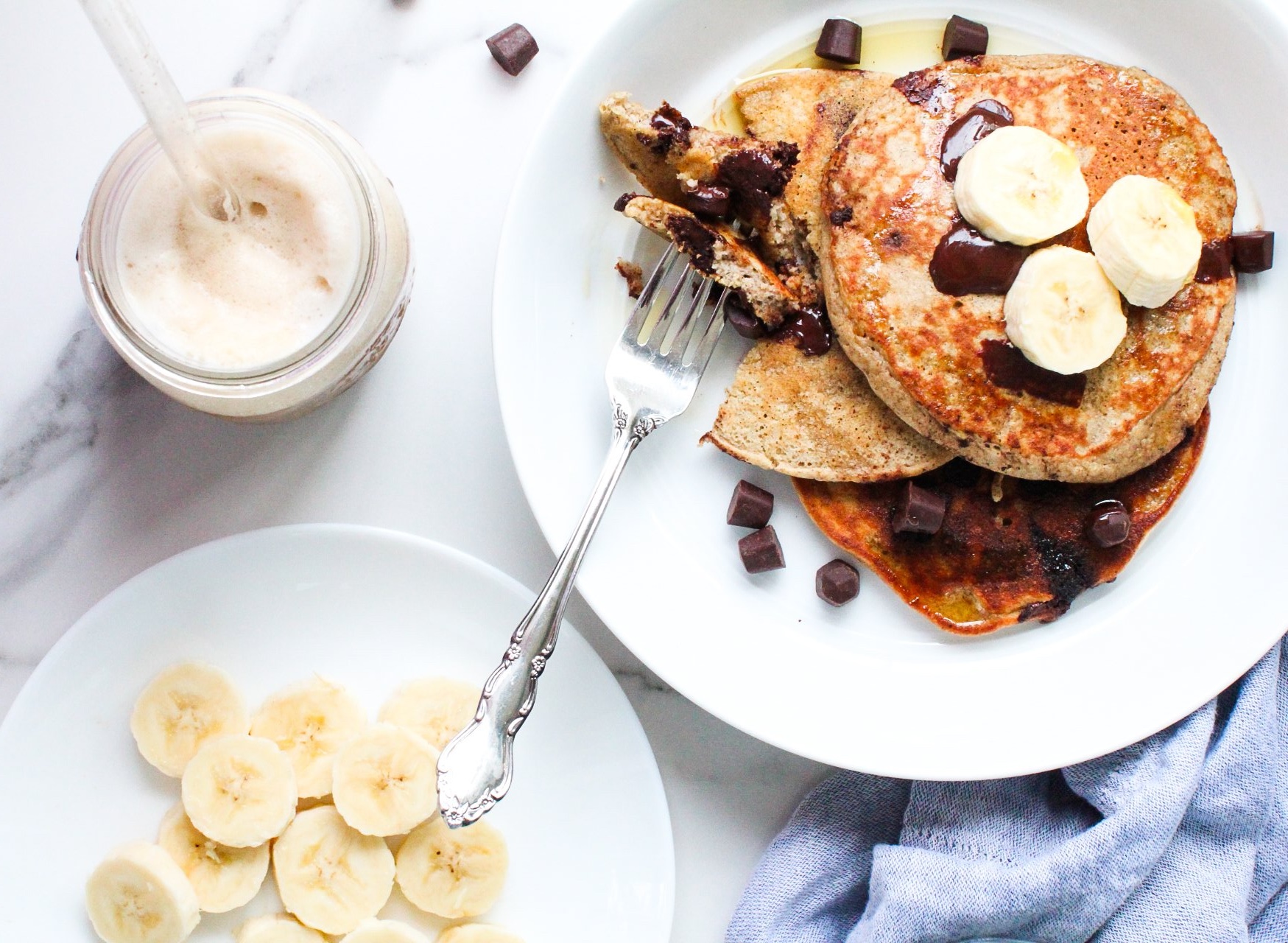
Hello, hello. Welcome to Everything Eudaimonia, my little bullshit blog, I do just for shits and giggles. For fun. A bulk of my content is centered around healthy living and wellness, and today I wanted to share some helpful advice and information on nutrition. A topic that can be rather difficult to navigate when all sides of the internet are sharing contradicting information. But here, I want to break it down and simplify the facts to make this essential part of wellbeing much easier to navigate. So here is my own personally crafted, all-encompassing guide on nutrition. In this post, I break down what I believe to be the top ten most important components to a well-rounded, healthy diet and relationship with food. I hope you enjoy!
1. Intuitive Eating
Intuitive eating is the best piece of advice I can give anyone as far as nutrition goes. For those of you who are new to this concept, it means listening to your body to eat what you want when you’re hungry, until you reach a level of comfortable fullness. It’s a non-dieting approach to making peace with food while respecting the wants and needs of your body. With intuitive eating, no foods are off limits. When we don’t restrict ourselves and allow our bodies to become habituated to the foods we always love and crave, they don’t hold so much power over us.
Sometimes our bodies crave carbs and sugar. Other times, meat and vegetables. But when we truly tune in and listen to those cues and respond to them appropriately, our bodies will always get the sufficient amount of micronutrients and macronutrients. Our bodies are incredibly intelligent and know what they need. Therefore, the more we restrict a certain food or food group, the more our bodies crave it. And when those cravings become overpowering, it can be scary or difficult to be in situations around those foods. And living in fear of food is no way to live. Believe me.
The statement I stand by here is—don’t diet, and don’t restrict. The evidence suggests that diets don’t work. And more often than not, they backfire, causing people to gain back the weight they lost and then some, in most scenarios. We deserve to treat ourselves and our bodies better than that. We deserve better than restricting. We deserve better than binging, purging, chronic over-eating, chronic under-eating, fearing food, and fearing what our bodies may become if we listen to them. We deserve better. We all do. And this goes both ways—not eating ourselves into a nauseating state of fullness nor restricting ourselves into a lifeless trance of being. There is a balance to finding a healthy mindset and relationship with food. And intuitive eating is the best path to getting there. Believe me.
To learn more about intuitive eating, check out my blog post “What is Intuitive Eating” or the book about it here.
2. Macronutrients

Carbs, fats, and protein. Love ‘em all, need ‘em all. And for those of you who don’t know, macronutrients are the types of foods our bodies need in large quantities. Getting adequate amounts of each macronutrient is foundational not only to our health but to our very being. The macronutrients fuel the processes that keep us alive and well. And as I’ve mentioned, the three macronutrients are carbohydrates, fats, and protein.
Carbs include foods like fruits, vegetables, honey, whole grains, bread, pasta, rice, potatoes, and baked goods. These are all important for a healthy diet because carbs are the body’s main source of energy and are essential for energy storage and production, lipid metabolism, building macromolecules, and maintaining blood glucose levels.
Next, we have a personal favorite of mine, fats. Only because I love peanut butter and icing. Anyway, foods high in fat include nuts, avocados, butter, olive oil, seeds, eggs, dark chocolate, cheese, fried foods, sausage, bacon, pork, and oily fish like tuna and salmon. Fats are important because they regulate our hormones, aid in nutrient absorption, control inflammation, promote feelings of fullness, protect our internal organs, help regulate temperature, and keep our cells functioning properly. And these examples barely scratch the surface of all that fats do for us. So don’t skimp on this macronutrient.
Lastly, we have protein. This includes foods like Greek yogurt, cottage cheese, chicken, turkey, beans, lean beef, and chickpeas. Protein is essential for a properly functioning body because it serves as the building block of tissue, enzymes, hormones, and antibodies. It plays a vital role in processes including tissue repair, metabolic reactions, immune function, and transporting nutrients. They are, in essence, the framework of our muscles, skin, bones, and tissues. And therefore the essence of our very being. They are involved in virtually every cellular process that takes place within our bodies, including cell growth and development. So, as we can see, protein is important. Don’t miss out.
To learn more about the different macronutrients and why they are important for our bodies’ optimal function, check out my post “Why All Macronutrients Are Important”.
3. Micronutrients

So we’ve covered macronutrients, so now let’s explore the importance of micronutrients to a healthy, well-rounded diet.
Micronutrients are the essential vitamins and minerals needed by the body in small amounts for various biological processes. Micronutrients play a vital role in growth, development, and the maintenance of our overall health. They are crucial for supporting the body at the cellular level.
Examples of micronutrients needed by the body include fat-soluble vitamins such as vitamins A, D, K, and E, and water-soluble vitamins such as the B vitamins and vitamin C. Minerals include calcium, magnesium, zinc, phosphorus, iron, and iodine. These micronutrients are important for numerous bodily functions such as energy production, immune function, cellular function, vision, and bone health.
Foods rich in vitamins and minerals include citrus fruits, leafy greens and vegetables, fatty fish, eggs, red meat, poultry, nuts, seeds, whole grains, dairy, seafood, and beans. Because there are so many different micronutrients, there is a broad range of foods that provide a variety of vitamins and minerals. To learn the specifics of which foods contain which micronutrients, check out this guide.
4. Produce: Make Your Plate Colorful

Next, we’ll discuss produce. This kind of goes hand and hand with micronutrients because you’ll get most of your vitamins and minerals from a diet rich in plant foods. And with that being said, produce is central to a healthy diet because eating a variety of fruits and vegetables reduces the risk of chronic disease, improves digestive health, and supports overall well-being. Produce is rich in fiber, vitamins, and minerals, which keep our bodies at optimal function. Fruits and vegetables also contain antioxidants that protect the body against damage from free radicals.
Eating produce has many benefits, as we can see, including environmental impacts. Eating more produce reduces the carbon footprint, supports local food systems and economies, and can foster community connection.
So remember to keep your plate colorful. Add in fruits and vegetables in whatever ways work for you and satisfy your taste buds.
5. Mindset
Having the right mindset around food is probably the single most important element when it comes to a healthy diet and an overall healthy lifestyle. Food is a source of nourishment to fuel our bodies so we can live our lives. It shouldn’t be a source of restriction or guilt. If you’re someone who wants to eat healthier or improve your eating habits, focus on what you can add to your diet rather than what you should eliminate.
A positive mindset around food includes the recognition that all foods can fit into a healthy diet and not labeling foods as “good” or “bad”. We should never be in a state of mind where we fear food or being around certain foods. That’s a major sign that it’s time to re-evaluate your current relationship with food.
Other ways we can strive towards a positive mindset around food include focusing on nourishment and balance, addressing the sources of emotional eating, practicing mindful eating, and lastly, just being kind to ourselves on the path towards finding an approach to eating that works with our lifestyle and agrees with our bodies.
6. Variety
The next element that’s important for a healthy diet is variety. Eating a variety of foods is crucial for getting all the necessary nutrients your body needs to function optimally and stay healthy. This is because different foods provide different vitamins, minerals, and macronutrients. Eating a wide range of foods ensures you won’t have any nutritional deficiencies. And I get it, as someone who goes through food fixation phases (pancakes are a big one), it can be hard to eat a variety of foods. It’s just important to make the effort, though. Mix up the foods you eat every now and then.
7. Satisfaction
Don’t force yourself to eat shit you don’t like or want in the name of health. If you don’t want the salad, don’t order the salad. And vice versa. Eat whatever you’re craving. Because deprivation will only cause you to overeat those foods down the road. Food is meant to be enjoyed, not restricted. So when you get hungry for a meal or a snack, ask yourself, “What do I want to eat right now?”. What food sounds good? What’s available to me? What textures and flavors are appealing in that moment? Listen to your body and eat whatever will satisfy you.
8. Read Nutrition Labels
Reading nutrition labels is important for making informed food choices that support overall health and well-being. When we can understand nutrition labels and know what ingredients certain foods contain, we can make informed dietary choices. Because these labels provide information on the nutritional content and value of a certain food, it is an effective way to avoid deceptive marketing claims. We are able to read for ourselves what exactly is in the food we’re purchasing and make decisions from an educated perspective.
Lastly, this is important for those with allergies if they need to avoid certain ingredients. Also, if you’re someone who wants to buy alternatives to foods with fewer additives, reading and understanding labels will be an important element of navigating nutrition.
9. Fiber
The next tenet of a healthy diet is fiber. Fiber is a type of carbohydrate that the body can’t break down into simple sugars. It is typically found in plant-based foods. It plays an important role in digestion, helps regulate blood sugar, and supports heart health.
There are two types of fiber: soluble and insoluble fiber. Soluble fiber dissolves in water and can help lower cholesterol levels. Soluble fiber can also slow down the absorption of sugar, helping to regulate blood sugar levels. Insoluble fiber, on the other hand, adds bulk to the stool, allowing for more regular bowel movements.
Good sources of fiber include apples, oranges, bananas, berries, broccoli, carrots, leafy greens, oats, brown rice, quinoa, beans, lentils, peas, almonds, chia seeds, and flax seeds.
10. Hydration
Lastly, hydration is essential to a healthy diet and important to keeping our bodies functioning at their best. Water is needed to regulate body temperature, lubricate joints, transport nutrients, remove waste, and support cognitive function, mood, and physical performance. Water also ensures our organs and immune system are functioning properly.
When we’re chronically dehydrated, we can start to see negative health consequences such as fatigue, weakness, muscle cramps, constipation, headaches, dizziness, and dry skin. Being dehydrated also increases the risk of infection. So the bottom line is: drink water.
*******************
Thank you guys so much for reading. I hope you enjoyed this little beginner’s guide to nutrition. If this was in any way helpful or informative, I’m glad. That was the goal in mind anyway. And I know nutrition can be a difficult thing to navigate if you’re someone wanting to live a healthy lifestyle. With so much contradicting and unsolicited advice we see on the internet, I wanted to present a guide that was much simpler and less confusing to live by.
Once again, thanks for reading!