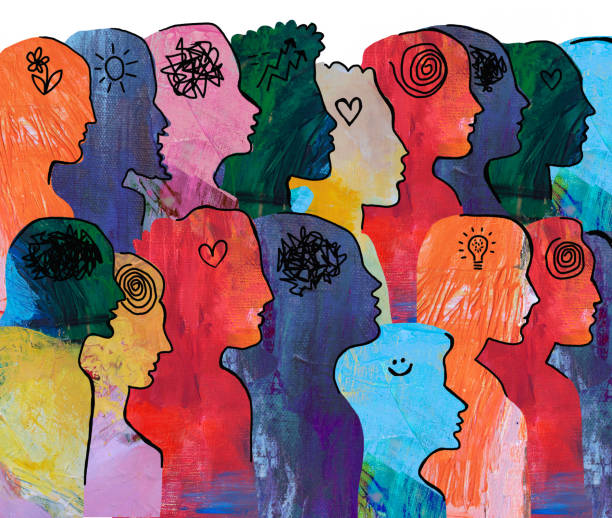
We live in a time where connection is right at our fingertips, always accessible to us. Yet somehow, 1 in 3 adults in America report feeling lonely each week. Roughly 24% people worldwide report being lonely. These numbers are disturbingly high, and unfortunately, these feelings can harm our health.
Social isolation and loneliness can affect our sleep, motivation, risk of disease, and other factors of well-being. This is why it’s essential to tackle this worldwide epidemic of loneliness.
How do we define loneliness?

Loneliness is the subjective feeling of being alone. You could be surrounded by people, but still feel lonely, or you could be alone and not feel lonely. It’s the perceived gap between an individual’s desired and actual levels of social connection. It’s the difference between what you want and what you have in terms of your relationships.
Social isolation is more objective; it is the actual lack of connection and human interaction.
Trends in Social Connection
In 1985, adults in the U.S. had an average of three close, trusted friends. This average dropped to two in 2004, and about 1 in 4 people reported having no close friends at all. This unfortunately points to a trend in decreasing feelings of connection and less meaningful relationships and interactions for adults in the U.S.
How COVID-19 Affected Loneliness
The COVID Pandemic only added fuel to the fire of loneliness and social isolation. Over 60% of young adults were struggling with loneliness during this time, with over 35% of all Americans feeling lonely. Cigna also issued a survey to evaluate the effects of the pandemic on loneliness and found that 50 percent of baby boomers, 71 percent of Millennials, and 79 percent of Gen Z were feeling lonely during this time. And unfortunately, after the world transitioned back to “normal”, people were still feeling the same way. The loneliness persisted.
It’s possible that people felt this way because expectations were high in terms of connection after the pandemic ended, and these weren’t met, which made people feel even more alone and rejected. Masks and distancing were still required for some time after quarantine was over. The social interactions and quality of connection weren’t the same as before for years after the pandemic. And we’re still feeling some of the effects on our mental health from this time.
What Loneliness Tells Us
When we feel hungry, we need to eat, when we’re tired, we need to sleep, and similarly, when we feel lonely, we need more social interaction and connection in our lives. Loneliness acts as a signal that we need to pursue the relationships in our lives. And while it can be difficult to put behind negative thoughts, feelings, and behaviors when we’re feeling lonely, it’s important to make an effort to act on the signals your body and mind are giving you.
Due to human evolution, the body feels discontent and insecure when we’re socially isolated. We were made to thrive with others. It can be challenging, however, to connect, especially when we fear that others are overly critical and judgmental of us. Rejection from our peers and others can be a scary thing, which makes way for hypervigilance. Misinterpreting social signals can also make us think that we’re being rejected or are always disliked by others, which makes reaching out for help that much more difficult.
So while loneliness is a signal to connect and communicate, taking those steps can be scary and frustrating, causing us to withdraw rather than seek support. We must identify this downward spiral of loneliness before its negative consequences become too severe. Identifying that you’re there and in need of connection and more social interaction is the first step. Then we must always be challenging those negative thoughts that tell us that other people don’t like us, are unwelcoming, and critical of us. Because that’s not always the case.
How Loneliness Impacts Our Health
Human connection is an essential part of thriving. While a lot of times it’s something we do for fun, we don’t realize how vital it is for our well-being. There’s a lot of available research pointing to the fact that loneliness can be very harmful to our health. For example, loneliness can be a risk factor for mental health issues such as depression and anxiety, but also other chronic illnesses like stroke, cardiovascular disease, type 2 diabetes, and premature mortality.
It has been found in recent studies that loneliness can increase the likelihood of premature death by over 25%, a statistic comparable to smoking. Similarly, social isolation has been associated with cognitive decline and a 50% greater chance of dementia.
Loneliness can also affect our health by weakening the immune system, thus increasing our susceptibility to viruses. This also influences our ability to heal from infections and properly respond to vaccines. Unfortunately, the very thing we do to prevent exposure to viruses (social isolation) can have a negative consequence on our body’s ability to fight off infections and disease.
Loneliness can also elevate stress hormones, elevate blood pressure, cause inflammation and chronic pain, decrease resilience, and impair sleep.
Overall, our bodies just don’t function at their best when we’re closed off to the world. We not only need connection to thrive, but also to survive. And because of the associated health concerns, loneliness and social isolation stand to be a very prevalent issue in public health. Even before the pandemic and still after, loneliness remains an important issue, and therefore must be addressed to ensure healthier and happier communities.
How Much Connection is “Enough”?

Most people benefit from pursuing many different relationships. But essentially, it depends on the person. Some people feel fulfilled with just one or two close friends, while others need a wider variety of people around them to relate to and interact with. What’s important, though, is that you feel you have enough people in your life who offer support when you need it.
It’s also known that different types of relationships can fulfill a variety of needs and goals, which is why it’s important to have at least a few good friends or people you connect with in your life. However, the quality of your relationships is much more important than the quantity. This is because negativity within relationships can cause negative health outcomes. To get the positive benefits from a relationship, that relationship must be healthy in and of itself.
There are also different levels of connection and interaction, and each is vital for wellbeing. We have our inner circle, the people we are closest to and deeply trust. Then we also have our other friendships and familial relationships that lie outside that “inner circle” per se. Then there are our acquaintances, colleagues, and other people in the community we interact with. Interacting with the community around us shows us the world is bigger than just ourselves and contributes to a sense of belonging.
While it’s possible to feel lonely in each of these different levels of relationships, it can also be possible to feel lonely in one but not the others. It just depends on the person, their situation, and how much connection they seek in their lives.
But fortunately for us, no matter how lonely we feel, there are things we can do to improve our relationships, connect more deeply with others, and interact more positively with the world around us.
Knowing When to Take Action
If you feel socially disconnected, addressing the issue will be a fundamental step in increasing your well-being. Feeling hypervigilant or overly cautious in social situations can be a signal that you’re feeling disconnected or lacking quality connection. Other signs include withdrawing from others and dreading social interactions. It’s also important to pay attention to your habits. Substance abuse and compulsive eating, amongst other behaviors used to seek comfort, can indicate a greater need for connection.
And unfortunately, relieving this loop of self-isolation and loneliness isn’t as easy as it seems. In the mind of someone struggling with feelings of loneliness, the areas of the brain associated with detecting danger are activated. The mind becomes more focused on itself and preventing danger than actually listening to and connecting with others.
One thing found to be extremely helpful for people who find themselves in these scenarios is cognitive behavioral therapy. Addressing the underlying mental, emotional, and behavioral problems is vital for breaking the psychological loop of loneliness. Exercise is also important because it releases endorphins, dopamine, and other chemicals in the brain that contribute to feelings of happiness. There is a strong body and mind connection, so getting your body to feel its best can be helpful in healing the mind, and vice versa.
Where to Start: How to Increase Connection

There are several things we can do to enhance our feelings of connection in what sometimes feels like a very lonely world. Author John T. Cacioppo created a set of strategies to help us do so, characterized by the acronym GRACE. This stands for gratitude, reciprocity, altruism, choice, and enjoyment.
Gratitude is essential to a healthy social life. We can improve well-being and decrease loneliness simultaneously by acknowledging or writing down at least five things each day that we’re grateful for. Gratitude and isolation are very opposing mindsets and cannot coexist. So choosing to be grateful is a great way to start feeling more connected to the world around you.
Similarly, feeling useful and needed decreases feelings of isolation and loneliness. This is where reciprocity comes in. We need to both give and be willing to receive care from others. This is important for feelings of self-worth, too. One of the best ways to help ourselves is to help others. Even small acts of kindness can help us feel a greater sense of connection in life.
Next, we have altruism. Altruism is the selfless concern for the well-being of others. This is an important component to feeling connected because when we focus our time, attention, and resources on helping others, it is more difficult to ruminate on our feelings of loneliness. We can redirect our focus onto others rather than remaining in the unconscious cycle of overthinking about ourselves and how others perceive us.
Altruism is all about sharing the gifts we have with others. Our wisdom, experiences, and knowledge can help a lot of people, and putting that to use will help us feel more connected. This makes sense given the available research that suggests volunteering lowers levels of loneliness and enhances feelings of connectedness.
The fourth element of the GRACE acronym is choice. We have a choice in how we respond to any feeling, even loneliness. We have a choice to stay lonely or to seek help and do something about it. Working towards a positive mindset is a choice we must make to break this harmful cycle of self-isolation. Some things are within our realm of control, and making choices that benefit our well-being is one of those things.
Lastly, we have enjoyment. We all need more positive, fun, and joyful experiences in our lives. These experiences help build our resilience when difficulties and life challenges arise. It’s also beautiful because each joyful, fun, and positive experience we share with others benefits our well-being, as well as theirs. Everyone’s well-being benefits from positive interactions and healthy relationships. We benefit both by loving others and being loved by others. And that means we have the power to make a positive impact on the lives of others while also benefiting our own.
How We Can Help Others
With so many people struggling to fit in and connect with others in a meaningful way, there are likely people close to us who feel alone in their lives. It’s important to reach out and open up the conversation if we see that someone is showing signs of withdrawal or desperation. If you’re concerned about someone, ask them how they’re doing.
Checking in shows that you care. Connect in whatever ways are possible. Text, call, FaceTime, meet up, or whatever else. This is especially important for staying close to family members or friends who live further away. While digital connections can never replace physical interactions, they’re better than nothing and can still be exceptionally meaningful.
Just make sure to let the people in your life who matter to you know that they matter to you. Life can be busy, and relationships and communication can fall to the wayside, but make an intentional effort to keep connections relevant.
*****
Thank you all for reading! I hope you found this post interesting or helpful in some way. For more posts about wellness, click here. Also, be sure to check out my post “What are the Dimensions of Wellness” to learn about a more holistic approach to health and well-being.
Lastly, I learned most of this information from a Blue Zones article called “Why Social Bonds Are So Important for Our Health”. To learn more about this subject, make sure to give it a read!