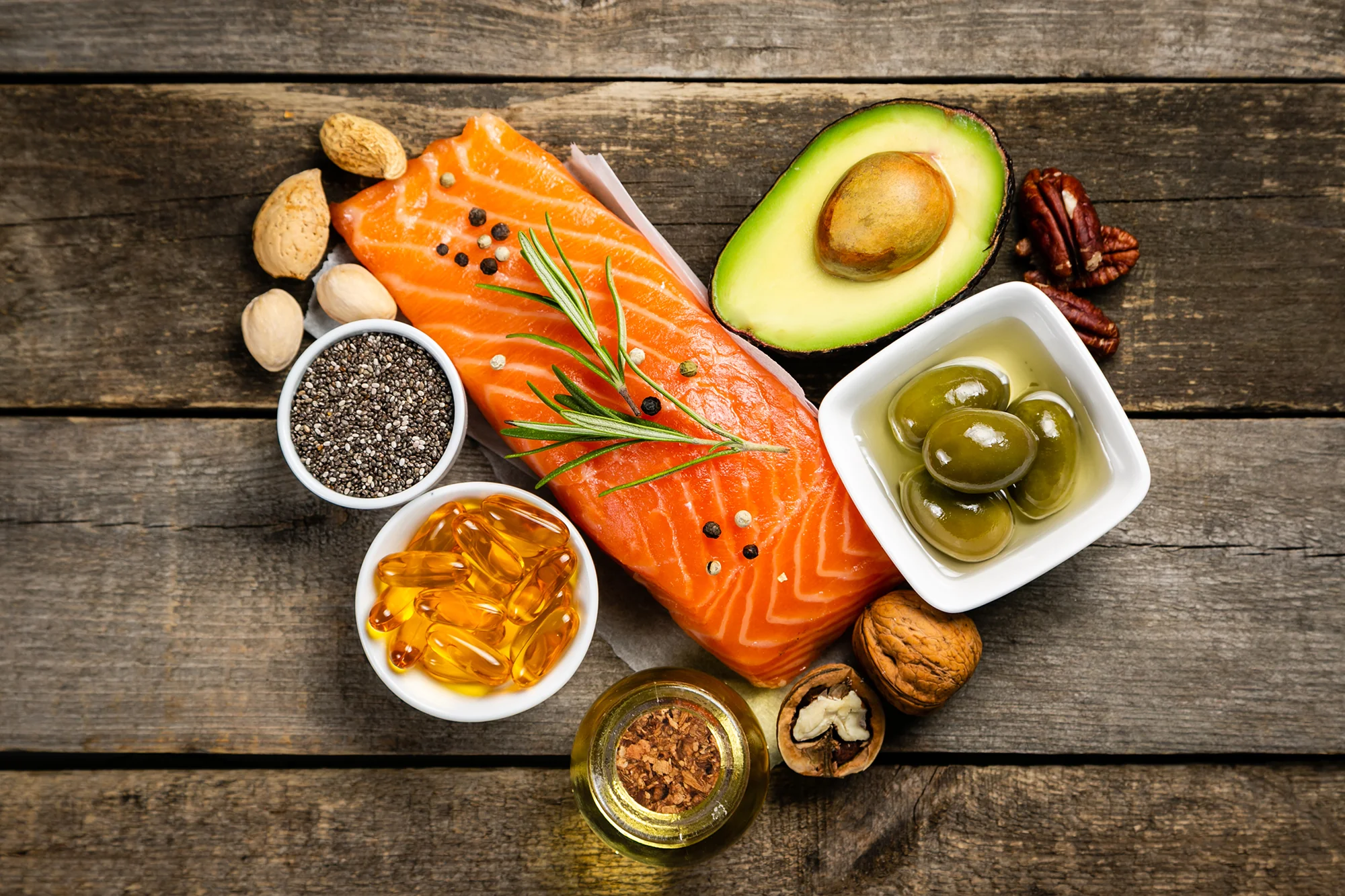
Today, we’re going to talk about fats. One of the three macronutrients that keep us alive, well, and our bodies functioning to their best ability.
However, when it comes to fats, there are a lot of misconceptions. For example, people tend to think dietary fat is the sole cause of body fat or weight gain. Again, this misconception has led to fear and the cultural practice of limiting fat intake or following fad low-fat diets. This becomes an issue, however, because, as previously mentioned, our bodies need fats to function at their best. It’s also known that healthy, high-quality fats play a limited role in weight gain. And while I don’t think it’s healthy to label foods as “good” or “bad”, it is known that some fats are better for our bodies. By this, I mean they’re more nutrient-dense and offer our bodies more health-enhancing benefits. So, today, I want to discuss the different kinds of fats, what foods they are found in, and what they do for our bodies.
Saturated Fatty Acids
Saturated fatty acids are fats that are typically solid at room temperature. Saturated fatty acids are found in fats that come from butter, cheese, cream, fatty meats, coconut oil, and palm oil. These kinds of fats are important for our bodies because they give us energy and vitamins that help construct our cellular membranes. Therefore, at a biological and cellular level, depriving our bodies of these fats can cause serious harm.
Fact or Fiction- Saturated Fats
The idea that saturated fats were harmful, raised LDL, and led to cardiovascular disease used to be widely believed and pushed by the media, physicians, and others. However, saturated fat in and of itself is not the problem here. However, consuming excess amounts of saturated fats with the overconsumption of carbs can increase the likelihood of developing cardiovascular disease. Similarly, not having a balanced intake of both omega-3 and omega-6 fats can also play a role in the development of cardiovascular disease. As a rule of thumb, however, eating balanced, moving your body, getting good sleep, and practicing other healthy habits should decrease your risk of developing cardiovascular disease significantly. So once again, it is not saturated fats that lead to the onset of disease, but rather an unbalanced and unhealthy lifestyle characterized by prolonged sitting, smoking, overeating, or other unhealthy behavior patterns.
Unsaturated Fatty Acids
There are three different kinds of unsaturated fatty acids that we will discuss here. Those are omega-3, omega-6, and omega-9.
Omega-3
The human body cannot produce omega-3 fatty acids on its own, making them even more important to incorporate into your diet. They are found primarily in fatty fish such as tuna, salmon, mackerel, and sardines, as well as some oils, seeds, and vegetables.
Omega-3 fatty acids are critical to good health and play many important roles in the body. They promote brain, muscle, and bone growth, protect our immune system, and. help reduce the risk for certain diseases. However, on a national average, we only consume 30% of the recommended daily intake.
Omega-6
Similar to omega-3 fatty acids, our bodies don’t produce omega-6 fatty acids, and therefore, we must consume these through a well-rounded diet. Foods rich in omega-6 are red meats, butter, eggs, cheese, nuts, some oils, and processed foods such as cookies, chips, and convenience foods.
These fatty acids are essential for our bodies because they play a role in the immune response, brain development, reproduction, and other important bodily processes. On a national average, however, we consume more than we need, likely due to America’s general overconsumption of processed and convenience foods. This overconsumption can lead to an increased risk of cardiovascular disease, yet omega-6 fatty acids aren’t the problem here. The unbalanced approach to nutrition is the inherent issue.
The general recommendation is that we should eat no more than five times more omega-6 as omega-3 fatty acids. But who’s counting? No, seriously, how the fuck would I know my daily ratio of omega-3 to omega-6? What the fuck? Anyways, I guess the issue lies in the fact that Americans generally eat 10 to 15 times more than what’s recommended. And this causes a problem because over-consuming omega-6 fatty acids interferes with the body’s ability to metabolize omega-3 fatty acids because they compete with one another. As a result, omega-3 fatty acids cannot do their job properly.
Omega-9
Omega-9 fatty acids can be made in our bodies from the saturated fats that we eat, but they are also found in some foods. For example, they can be found in olive oil, avocado, almonds, meat, cheese, and butter. It’s important for our bodies because it plays an important role in preventing diabetes and cardiovascular disease. And fortunately, because omega-9 can be made by the body and is found in many common foods, the average American is rarely deficient.
Trans Fatty Acids
Trans fatty acids can be found in many processed foods that have been hydrogenated to solidify plant-based fats. This includes microwave meals, mass-produced pastries and cookies, pie crusts, margarine, pizzas, savory snacks, and granola bars. Fortunately, industrial food processing techniques have managed to reduce trans-fatty acid content, and artificial trans fatty acids were banned in the U.S. back in 2015 due to their ability to negatively impact our health. Even in small amounts, trans fats have been known to significantly increase the risk of certain diseases such as cardiovascular disease and type 2 diabetes. Because of the troubling consequences trans fatty acids have on human health, avoiding them is highly encouraged. Trans fat is the only fat that people are encouraged to avoid, which makes sense because it is the only one that is industrially made.
Tips for Balancing Fat Intake
- If you like salad, use an oil-based dressing
- Eat fatty fish one or two times a week
- Add nuts such as almonds, walnuts, or pistachios to yogurt, salads, or other meals (or just eat them as a snack)
- Cook on low heat when possible to protect omega-3 and omega-6 fatty acids from oxidation
- Swap processed foods with “partially hydrogenated fats” for healthier alternatives
Thanks for reading!
Alright, everyone, that wraps things up. I hope you enjoyed reading about all the different kinds of fats and their function in the body. Fats are good for us. As a matter of fact, they’re necessary for us to feel and be our best. So eat your fats!
If you’re interested in nutrition, don’t forget to check out my Ultimate Guide to Nutrition and my post Why All Macronutrients are Important.
See you guys next time!
Estimated reading time: 5 minutes