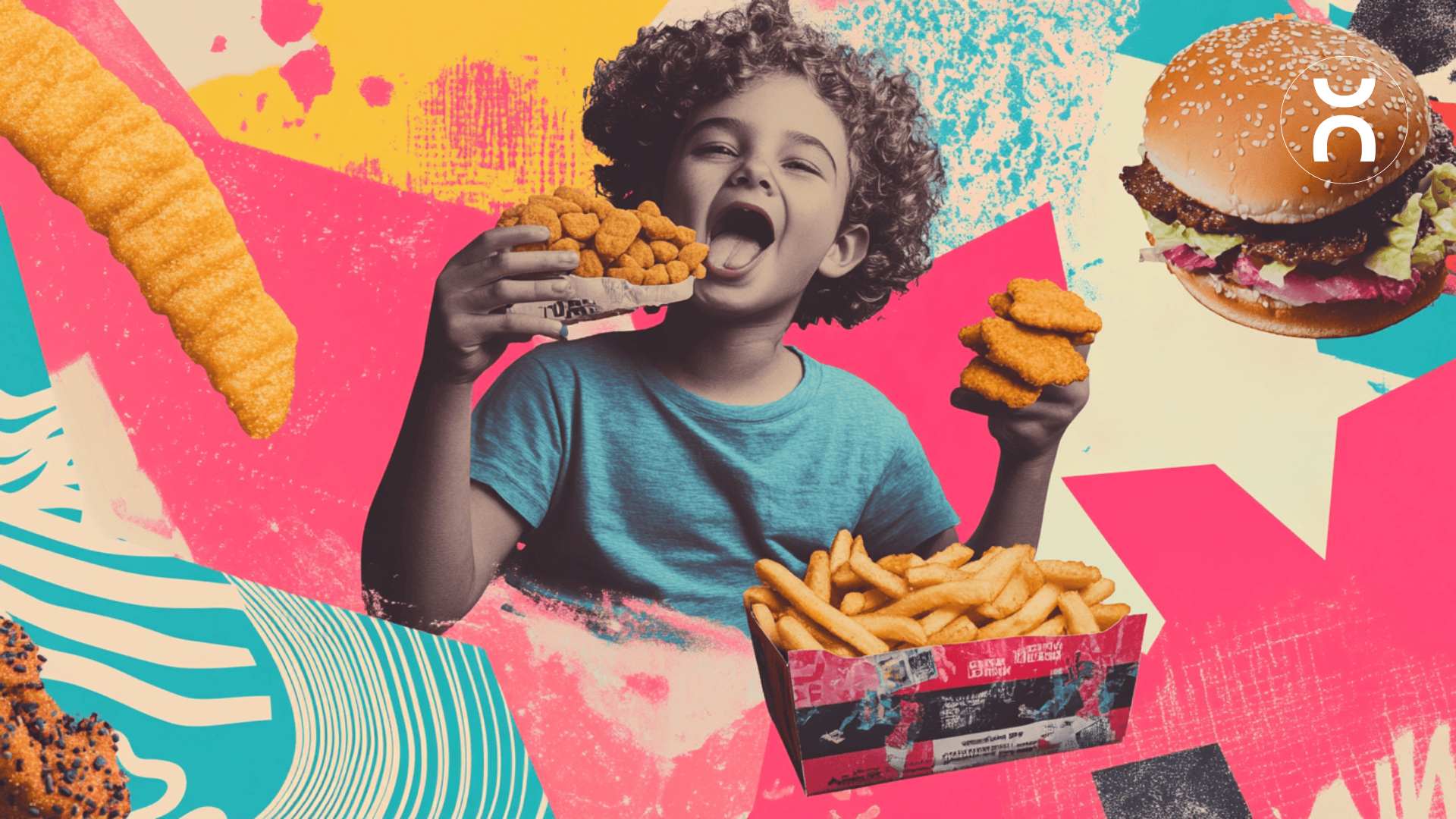
Hi guys, if you’re interested, we’re gonna talk about food advertising today. So enthralling, I know. This topic was inspired by an article I recently read on the EWG website titled “Not so g-r-r-reat: How food ads shape the diets of children and teens”. It got me thinking about the food advertising industry and all the money and sick minded bullshit that goes into it. For example, I recently learned that the food and beverage industry expenditures reach over 14 billion dollars annually. Over 80% of those expenditures are spent on advertising for fast food, candy, and sugary drinks. Further, this advertising often uses targeted marketing strategies aimed at reaching children and communities of color. This is incredibly unfortunate and infuriating, as it only exacerbates the current health disparities between certain population groups in this country. This targeted advertising only widens the gap between those suffering from conditions such as diabetes and heart disease in lower-income communities and the wealthy, who tend to see better health outcomes.
When it comes down to it, the core of the problem requires policy change. Reducing unhealthy food marketing, especially tactics targeted at children and certain demographics, can help close the gap between health disparities and also hopefully improve the eating habits of Americans.
Advertisements Directed Towards Children
A study conducted in 2024 found that children between the ages of 2 and 11 watch over a thousand food and beverage commercials each year. Companies direct these ads towards children in this age range by using bright colors, jingles, and mascots. Shit like Tony the Tiger, the Trix Rabbit, and Lucky the Leprechaun. Unfortunately, these ads stick with children and may drive some of the unhealthy eating habits that are common amongst the American youth. And these eating habits can cause health risks further down the road. So that sucks.

Food Chemicals: The Impact on Children’s Health
The food being advertised on television—typically ultra-processed food—is often high in added sugar and contains a substantial amount of calories, yet is rather low in actual nutritional value. UPFs (ultra-processed foods) also more often than not contain a wide variety of harmful chemicals that are banned in most other countries. The chemicals UPFs contain, such as yellow dye 5, red dye 40, BHA, and BHT, have also been linked to behavioral issues, hormone disruptions, and cancer.
When moderation is thrown out the window, an excess amount of these UPFs can lead to dental decay, type 2 diabetes, obesity, and cardiovascular disease. Further, when children’s food is low in nutritional value at school, it can actually affect their learning and focus in a negative way.
What these bright colored advertisements fail to disclose is that many of the additives and dyes present in their foods are linked to neurobehavioral issues. A study released by the California Office of Environmental Health Hazard Assessment in 2021 provides further evidence of this claim. The study offered groundbreaking proof that synthetic food dyes are linked to neurobehavioral problems in children, such as worsened ADHD symptoms, learning delays and difficulties, and decreased classroom performance.
In my opinion, this all points to a major failure in the way the FDA operates. Where’s the oversight? It is evident that we need increased regulation, and a majority of Americans would greatly benefit from this change. The only ones who’d loose is the greedy fucks at the top of the corporate ladder at places like Kelloggs or Hostess. So why, in good conscience, does the FDA allow so many damn chemicals in our food without safety review? Beats me. Luckily, however, some states are beginning to take matters into their own hands.
Public Health Legislation: How the States Are Taking Action
In several different states, lawmakers have introduced bills intended to combat the issue of excess and unnecessary chemicals being present in so much of our food. Specifically, additives found in cereal, sugary beverages, and candy are being targeted.
California, as always, stays ahead. In 2024, the California School Food Safety Act was signed into law, thus banning six different synthetic food dyes from being served in public schools. In 2023, California also passed a law that banned the manufacturing, distribution, and sale of all foods containing red dye 3, propyl paraben, brominated vegetable oil, and potassium bromate.
A few weeks ago, I also wrote about Assembly Bill 1264, which would ban ultra-processed foods in public schools by 2032. If this bill were signed into law, scientists would have to identify what qualifies as a “particularly harmful UPF”, which would include some foods high in sugar, salt, and additives. This would likely also include the foods containing chemicals that have been linked to behavioral, developmental, cognitive, and other health issues.
Lastly, West Virginia did something kinda cool this year. They passed a law banning seven harmful food dyes, propylparaben, and BHA from all foods sold and produced in the state.
Adopting Healthier Habits: What We Can Do
While children and teens see fewer ads than they used to, they are still avid users of screens, tablets, and whatever the hell else. Anything but playing outside. So they’re still seeing those ads. And as long as these ads are displayed and seen by children, it’s important for parents, policymakers, and educators to be aware of the influence they have on children and their dietary decisions.
Several helpful tools and resources can help you find snacks and basic groceries that don’t contain harmful additives and chemicals. The Yuka and EWG apps both offer an easy way to scan a food product and see the score based on the ingredients it contains. As a parent, it’s also important to teach children to clock advertising tricks when they see them. Teach your children how to be informed consumers. Be aware of the advertising influence. Stay ahead of the bullshit and make the best decisions for you and your health. Period.
Closing
Okay, slimy bastards. That’s all I have for today. I hope you enjoyed this post and learned something new. Once again, all thanks to EWG for their news page, which never fails to get me to read something educational. I love their organization.
To learn more about public health, check out my Ultimate Guide to Public Health!
Peace out, friends. Until next week, baby.