What’s going on, everyone? Welcome back to Everything Eudaimonia, where I discuss a broad range of topics, including nutrition, wellbeing, and public health.
This week, I’m going to discuss a well-known public health issue- type 2 diabetes, and how ultra-processed foods may be adding fuel to the fire of this health epidemic.
Background Information
Approximately 34 million Americans have type 2 diabetes, and this number is increasing, especially among children. What I’ll be discussing today is how ultra-processed foods may be playing a role.
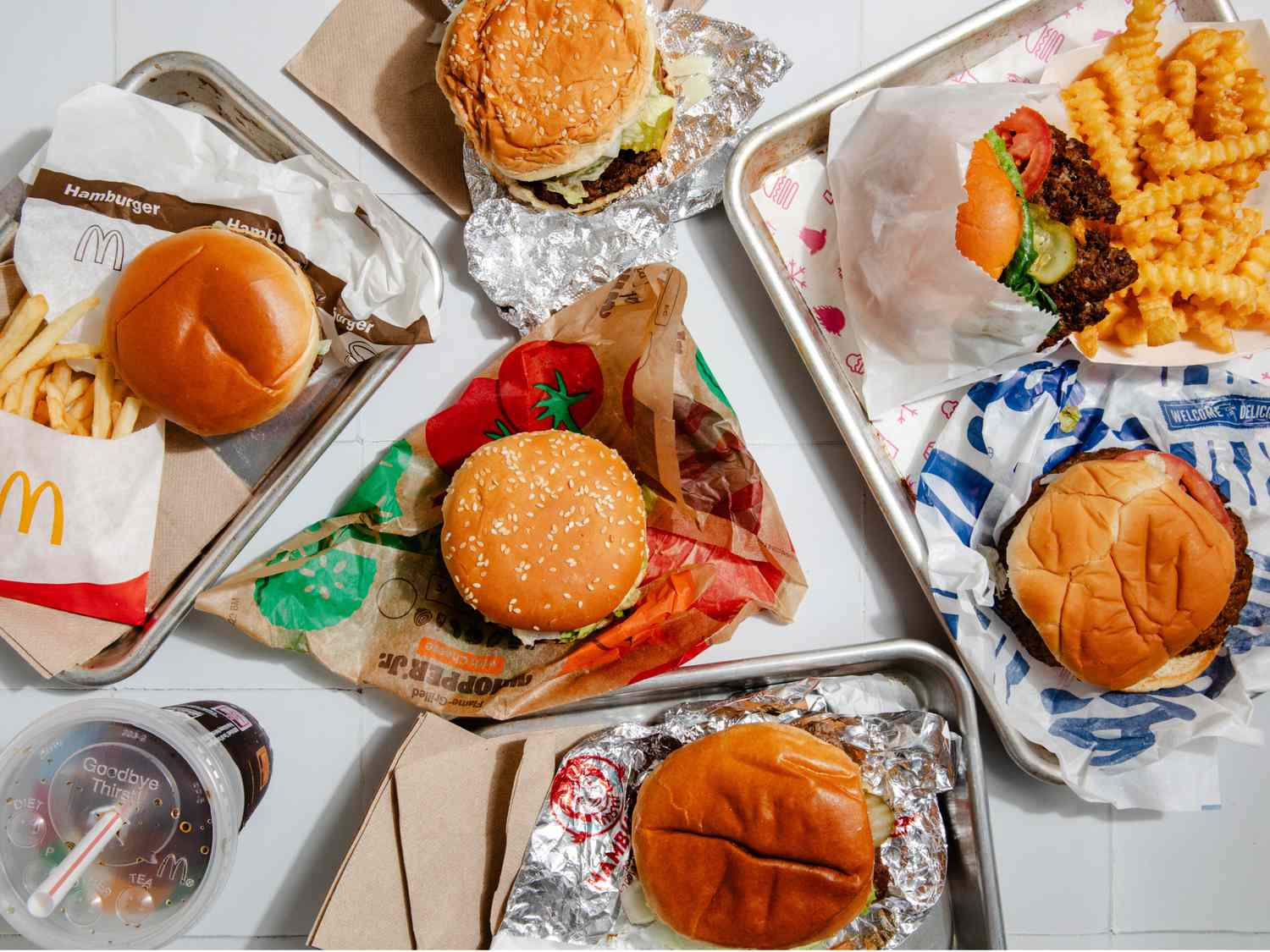
Ultra-processed foods are consumed in high amounts by the average American. The amount of UPFs consumed has also increased dramatically over the past 20 years. Common UPFs (ultra-processed foods) include things like soda, chips, fast food, packaged crackers, bars, and other snacks; some breads; frozen meals; candy; and some baked goods. Most of the ready-to-eat foods you’d find on the shelves of the grocery store are ultra-processed.
On average, ultra-processed foods make up nearly 60% of an American adult’s calories consumed. Percentages for teens and children are even higher, reaching nearly 70%. There could be a connection to the higher percentage of UPFs consumed and the increased incidence of long-term chronic diseases. Long-term chronic diseases that have increased in tandem with UPF consumption include heart disease, cardiovascular disease, certain types of cancer, depression, Crohn’s disease, and brain disorders like dementia.
Type 2 Diabetes on the Rise

Several studies have linked increased consumption of ultra-processed foods with a higher risk of developing type 2 diabetes. One study found the risk of type 2 diabetes goes up about 30% when consuming high levels of UPFs. With disease prevalence increasing with type 2 diabetes, it’s important to focus on prevention strategies. And because UPFs are associated with this trend, the regulation of these foods may be a good place to start.
Many, many people across the country suffer from type 2 diabetes, 12% to be precise. This disease affects an individual’s ability to regulate blood sugar. This disrupts the body’s metabolic system and can lead to more negative outcomes, such as high blood pressure, cholesterol, and glucose levels.
EWG stated in their article, “How ultra-processed food may fuel Type 2 diabetes,” that in 2024, European researchers concluded that a 10% increase in UPF consumption was associated with a 17% higher incidence of diabetes. This startling discovery points to a trend of increased incidence of diabetes in the U.S.
What are Ultra-Processed Foods
A food is classified as “ultra-processed” if it’s made using one or more industrial ingredients, such as artificial dyes or flavors, non-sugar sweeteners, or other additives like emulsifiers and thickeners. Ultra-processed foods are designed to be cheap and enjoyed straight from the package. They’re also engineered in a way that makes them somewhat addictive, lighting up certain parts of the brain, so that we continue to want more even when we’ve had enough. Their high concentration of sugar and fats plays a major role in this addictive component as well.
How Can Ultra-Processed Foods Impact Health?
UPFs can impact your health by increasing the risk of certain metabolic diseases such as fatty liver disease, metabolic syndrome, and type 2 diabetes. This is because the overconsumption of these foods can interfere with the body’s metabolic processes. This can increase insulin production and fat storage in the liver, which is another factor that contributes to the development of type 2 diabetes.
Policy on Ultra-Processed Foods
Currently, in the United States, there is very little regulation surrounding what chemicals and additives are allowed in our food. Not to be harsh, but the FDA has been relatively useless on this front. A shocking statistic is that almost 99% of food chemicals introduced since 2000 have been approved by the food and chemical industry (the ones making a profit), but not reviewed by the FDA. Yikes.
Any progress on this issue has come from state governments taking action, as we’ve seen in California, for example. California was the first state to ban food dyes in schools and is currently considering a bill that would work toward phasing out the use of UPFs at schools. Fortunately, other states are following in these footsteps and enacting similar changes in policy.
How Can I Avoid Ultra-Processed Foods?
Well, for starters, it’s not very realistic to altogether avoid ultra-processed foods, especially here in America. No matter how good your intentions of healthy eating are, completely cutting any sort of packaged or processed food from your diet seems unsustainable and unlikely. However, that doesn’t mean there aren’t things you can do to limit your consumption of them. It just takes a little intentionality.
It’s also important to consider that these foods are typically cheaper, and for some, all that matters is affordability and accessibility. For some people, those two factors will be all that matters when it comes to food. It’s understandable to just want to be able to put food on the table without any other considerations or stressors. And it’s also understandable considering about 70% of what we find in a grocery store is considered “ultra-processed”.
These simple facts are somewhat infuriating just to read about, because why on earth are so many of the available food choices contributing to the chronic diseases America is continually suffering from? It shouldn’t be so difficult to lower the incidence or risk of type 2 diabetes, yet some families need the cheaper, quicker, and more convenient options at the store. And this is where health equity becomes a concern. A healthy lifestyle should not be a privilege, yet in the world we live in, it very much is. Not just in America, but in other countries as well.
But moving on, you’d think that if such a high and increasing number of people suffer from type 2 diabetes, policy actions supported by the scientific research would be seriously considered. I guess not in America. Yet regulation of UPFs is an important piece of policy to consider, because it could be helpful in reducing the risk of type 2 diabetes.
And while some of this is outside our control, there are still a few simple things we can do to limit our intake of ultra-processed foods:
- Find swaps for processed foods you enjoy, like chips, crackers, cookies, bread, cereal, yogurt, etc., with ones that have fewer additives and simpler ingredients
- Read the ingredients before adding things to your cart (maybe not every single thing, as this could take forever, but the more processed food items)
- Choose foods with simple and readable ingredients
- Buy and cook with whole foods
These simple steps can make healthier eating more possible, with less stress and without making drastic changes. Simple swaps can make a big difference in your health and how you feel.
***********
Thanks, everyone, for reading. Most of what I shared today, I’ve learned from this EWG article. EWG does a lot of work and advocacy for policies to make America healthier. I always enjoy reading their blog posts.
Anyway, if you’re interested in learning more about public health and/or nutrition, check out my Ultimate Guide to Nutrition and my Ultimate Guide to Public Health!
Once again, thanks for reading. I’ll be back next week!