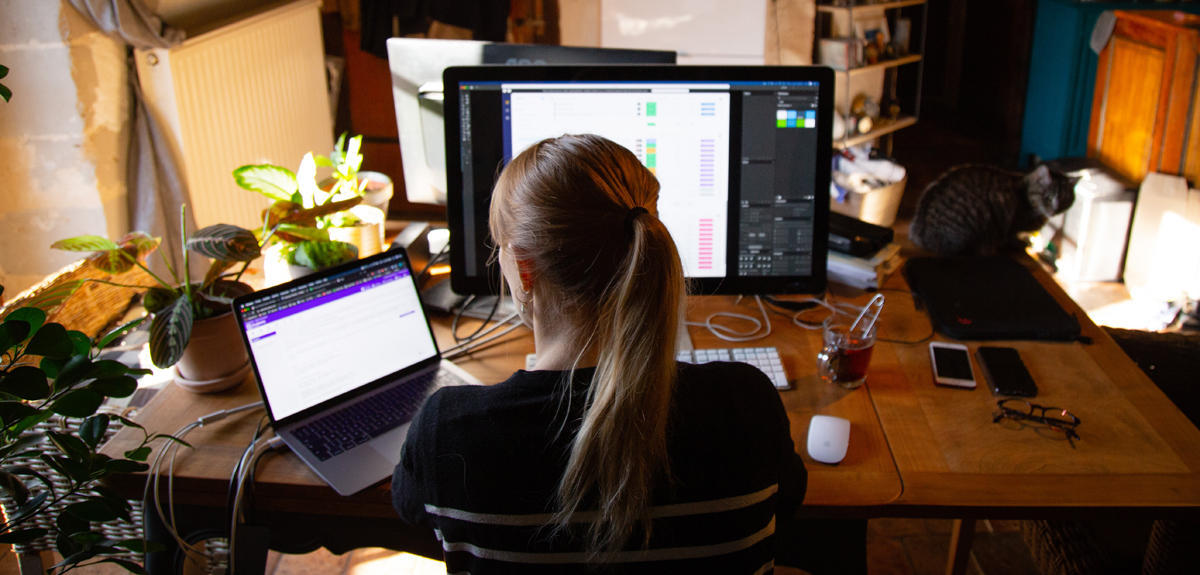
Hey everyone! This week, we’re gonna discuss the sedentary lifestyle that is so prevalent among U.S. adults and the common health risks associated with this behavior. This is a topic that interests me as I’ve always wondered why so many jobs require people to sit for 8 hours of their day in front of a computer screen. I just don’t think it’s healthy, yet it’s the mainstream work culture in America. It’s also a factor in the rise of non-communicable diseases in the Western world. A sedentary lifestyle puts us at risk for a plethora of health problems, and we wonder why the medical system is under such stress. Movement, sunshine, laughter, mindfulness, and good food keep us healthy. Yet the desk job makes us money. So, which do we choose? Or is there a way we can find some balance? Is there a better way to combat this sedentary culture that plagues America and work more movement into our days?
I touched on the topic of movement and its importance in a healthy lifestyle in my blog post “Blue Zones Vs. American Culture”. It’s one of my favorite posts, so if you’re inclined, please give it a read.
But so on and so forth. First, let’s discuss what a sedentary lifestyle is for those of you who haven’t heard the term before.
What is a sedentary lifestyle?
A sedentary lifestyle is a way of living characterized by prolonged periods of sitting and inactivity with minimal movement or physical activity. It’s an inactive way of living that usually involves a lot of time spent behind a television or laptop, whether at work or in free time. As an official guideline or definition, a sedentary lifestyle is defined as spending more than 6 hours a day sitting or lying down.
So now that we know what a sedentary lifestyle is, let’s discuss the statistics.
Sedentary Statistics
- According to WHO, about 31% of the world’s adult population, or 1.8 billion people, are physically inactive on a regular basis.
- In the US, approximately 24% of adults are physically inactive.
- If current trends continue, the proportion of adults not meeting recommended physical activity levels is projected to reach 35% by 2030.
- Lack of physical activity accounts for 22 percent of coronary heart disease, 22 percent of colon cancer, 18 percent of osteoporotic fractures, 12 percent of diabetes and hypertension, and 5 percent of breast cancer.
- Physical inactivity contributes to significant healthcare expenditures, as 2.4 percent of U.S. healthcare expenditures, or approximately $24 billion a year, are attributable to physical inactivity.
- Sedentary lifestyles can negatively impact mental health, cognitive function, and overall well-being.
Here I’ve highlighted a few statistics on sedentary behavior that I came across during my research and found to be quite interesting. Personally, I think the fact that over 30% of the world’s population is sedentary is wild. That’s like a third of the world’s population. A shit ton of people. And unfortunately, many of these people may not even be aware that a sedentary lifestyle has such a poor effect on their health. And it’s even more disheartening that this percentage is predicted to rise.
Further, we will see this trend continue to put strain on the medical system and increase healthcare expenditures and costs in the U.S.. Exactly what we need!
And possibly the most saddening aspect of this sedentary lifestyle plague is that mental health, cognitive function, and overall well-being are impacted, and not everyone may know the risks that this lifestyle poses. But movement is fundamental to a healthy lifestyle. Therefore, as a society, as a culture, we must get moving.
Now I’m not suggesting everyone must be a mega athlete, exercise fanatic, or crazy gym bro, but for Christ’s sake—just move a little bit during the day. A little walking around or something. Chores, cleaning, errands, walking the dog—these are all physical activities. You don’t even have to “work out” to live an active lifestyle. Even shorter bouts of movement here and there throughout the day have many benefits.
Sedentary Living—Why is it the Norm?
I feel like in current American culture, a sedentary lifestyle is rather normalized, which is very much correlated with our increasingly high rates of non-communicable diseases. I mentioned in a previous post that people living in blue zones (areas with the longest-lived and healthiest people) incorporate movement into their daily lives without conscious effort. These people don’t necessarily spend time in the gym or take time out of their days to work out, but they are constantly active, engaging in activities like gardening, walking, and doing household chores.
I feel that this beneficial way of living is so different than the norm here in the U.S. Not everyone, but many people, work a standard desk job which stresses and depletes them, so then they come home and relax by watching TV or drinking a beer. Nothing wrong with these things, but when you’re sedentary for eight hours of the day, your body craves movement. The work culture that is normalized in the United States has us slaving away for corporations behind the screen of a laptop, and before we know it, that’s just the bulk of our lives.
Aside from work culture, there are a few other factors that contribute to a highly sedentary lifestyle. A few examples of this would be increased screen time and technology, urban design, lack of access to recreational facilities or safe places to engage in physical activity, stress, lack of time, convenience of motorized transport, and the lack of awareness about the benefits of physical activity.
Associated Health Risks
Although a sedentary lifestyle may be considered the norm in American culture, it can have devastating consequences on health. For example, a sedentary lifestyle increases the likelihood of developing chronic diseases and conditions such as heart disease, stroke, type 2 diabetes, cancer, osteoporosis, depression, and anxiety. A sedentary lifestyle may also harm musculoskeletal health and lead to back pain, joint stiffness, and poor posture. A few other symptoms that are likely to accompany this way of living include poor blood circulation, impaired blood sugar control, reduced metabolism, fatigue, reduced energy levels and lung capacity, weakened bones and muscles, and respiratory issues.
And evidently, all these poor health outcomes put an avoidable strain on America’s medical system and health economy. So that’s pretty awesome.
Addressing the Problem: What Can We Do?
Okay now that we’ve talked about all the bullshit, let’s dive into something a little more helpful. How the hell do we address this problem?
Well, there are decisions we can make for ourselves at the individual level to address this issue, and there are also things that can be done at the policy level to address and change the sedentary lifestyle that so many Americans seem to be living. I’ll speak on both.
Individual Decisions
Reduce sitting time
Limit the amount of time you’re sitting around each day whether this be taking a lap around the office every hour, taking the steps instead of the elevator, doing active chores throughout the day (such as cleaning, dishes, gardening, sweeping, or vacuuming), walking or cycling to work or school, or taking your breaks at work to be active and move your legs.
Take up active hobbies
Start up some active hobbies to do during your free time, such as hiking, swimming, walking, tennis, dancing, or going to the gym. Just something other than jumping straight to the couch after you get off work. This is especially important if your job requires you to sit most of the day.

Be mindful of your screen time
Just be conscious about how much of your time you spend watching television, scrolling TikTok, or on social media. And try to supplement some of your screen time with movement.

Schedule exercise into your day
If you do work a sedentary job, make movement a priority in your day. Schedule it into your day as you would with any other obligation. And try your best to meet the activity guidelines recommended by the American Heart Association. I’ve listed those below:
- Get at least 150 minutes per week of moderate-intensity aerobic activity or 75 minutes per week of vigorous aerobic activity, or a combination of both, preferably spread throughout the week.
- Add moderate- to high-intensity muscle-strengthening activity (such as resistance or weights) on at least 2 days per week.
- Spend less time sitting. Even light-intensity activity can offset some of the risks of being sedentary.
- Gain even more benefits by being active at least 300 minutes (5 hours) per week.
- Increase the amount and intensity gradually over time.

Policy Level
Next, let’s discuss the policy recommendations for tackling the sedentary crisis in this country.
Urban Planning
First and foremost, urban planning. Cities need to be designed to encourage physical activity. There should be walkable and bikeable neighborhoods, green spaces, parks, trails, community centers, and recreational facilities amongst residential areas. When it is safer and easier to walk, bike, and engage in outdoor activities, members of the community are more inclined to do so.
Further, cities with reliable public transportation are both better for the environment and encourage movement as people must walk from one transit stop to another.
Next, I’ll mention mixed-use development, which is a method of urban planning that locates homes, shops, schools, workplaces, community centers, and recreational facilities near one another to encourage walking to and from destinations. Similarly, planning vibrant public green spaces near workplaces and other buildings encourages socialization and physical activity, which further benefits the health of a community.

Work environment
Our work environment heavily influences our health and health decisions. I put this section under the policy heading because I feel that there should be both federal and individual workplace policies intact that make movement more of a possibility during the workday, especially for those working sedentary jobs. Things like standing desks, alternate seating, active work stations, onsite recreational facilities, and walking meetings should always be an option for employees. Short activity breaks are a great way to get moving and boost productivity. Another approach to addressing this issue would be allowing flextime or paid time for physical activity. This would address the lack of time barrier that so many working individuals face and also incentivize physical activity in the workplace.
Redesigning the office layout is another way to incentivize movement by creating walking paths, areas for stretching, or other designated spaces for movement.
Lastly, comprehensive wellness programs should be a part of every workplace, as combining educational programs with policies and environmental strategies will be highly effective in increasing the number of employees engaging in physical activity.

Shorter work weeks
For me, my work week couldn’t get much shorter. But I do sympathize with my 40-hour girlies out there. Unless you love your job. But seriously, 40 hours is just too many to be at work. And add transportation on top of that for the people that have to commute—certainly not ideal. I believe a work week should be 32 hours tops. Maybe that’s not realistic for some occupations, but this is my blog, and I’ll share whatever opinions and thoughts enter my mind. Whether they be realistic or not. I believe Denmark does have a 4-day work week, though. So if they can make it work, why can’t we? Because we’re all fucking workaholics in America. All in some fantasy productivity rat race in which we all forget how to actually relax.
I digress. Shorter work weeks would help address the sedentary lifestyle problem we have in America because, for many people, that means fewer hours spent sitting at a desk. And while some may just replace the office chair and laptop with a recliner and a television, I think many people would use that extra time wisely. Doing more of what they love.
Better affordability for recreational centers
Another way to encourage movement is to have publicly funded recreational facilities and clubs at a more affordable cost for people in the community who can’t afford state-of-the-art gym facilities. Not everyone can drive their mom’s BMW to hot yoga every morning. So yeah, I’d argue that cheaper or free opportunities for fun physical activity and movement would make it more appealing to the lower and middle class.
Increased health education
I think this is a must. And it begins at the policy level. When we publicly promote awareness of the benefits of movement and the associated risks of a sedentary lifestyle, many people may begin to consider changing their habits and behaviors. Health education programs can also help people by providing specific practical strategies to change their habits and offering the support they need to get started.
Physical activity campaigns
Lastly, I’ll mention physical activity campaigns. Campaigns that promote the benefits of physical activity, host group fitness and community events, raise awareness, provide educational resources, utilize community partnerships, and advocate for policies that promote healthy lifestyles are all effective ways to enhance community health by addressing and combating sedentary living.

Closing
Wow. Long one today. And I’ll leave it at that. Don’t forget to move around every once in a while, guys.
*******
For anyone wanting to start their own journey with fitness or running, check out my post “Everything You Need to Know to Start Your Fitness Journey“. To learn more about public health, check out my Ultimate Guide to Public Health.
Anyways, I’ll be back. Sit tight. No pun intended.