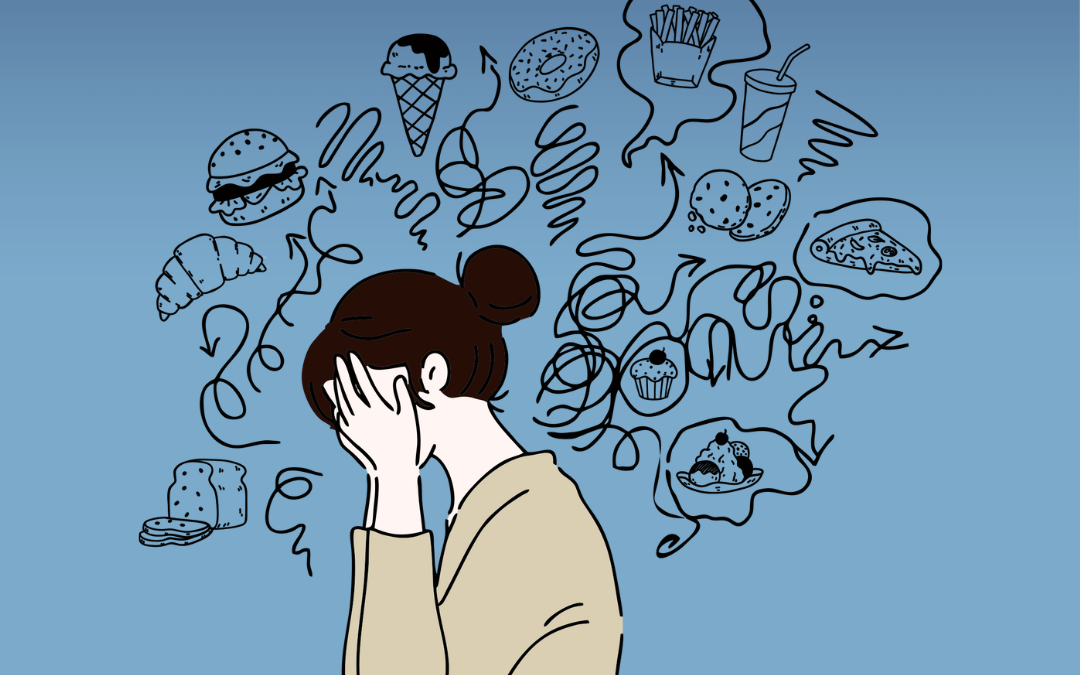
Hey everyone, this week I want to write about a deeper topic that affects so many young women around the world, and that has also affected me personally. Approximately 9% of the U.S. population will experience an eating disorder in their lifetime. It is also the third most common illness amongst adolescent women. And unfortunately, the prevalence of eating disorders is on the rise and has increased from 3.4% to nearly 8% from 2000 to 2018. These numbers are estimates provided by the NIH, but due to underdiagnosis and underreporting, the actual numbers may be significantly higher.
But with this being such a prevalent public health issue in the modern world, especially with the rise of social media and social comparison, I wanted to take the time to discuss it. And also briefly talk about my own experiences with the subject.
So to begin, let’s discuss some background information. For example, what constitutes an eating disorder, and what are the different kinds of eating disorders that occur?
What is an eating disorder?

An eating disorder is a mental disorder defined by abnormal eating behaviors that adversely affect a person’s physical or mental health. It can include problems in how one thinks about food, weight, and their body, which in turn affects their eating behaviors. Eating disorders can involve undereating, overeating, or severe anxiety and control around everything you eat.
Types of Eating Disorders
There are several kinds of eating disorders, including anorexia nervosa, bulimia, binge eating disorder, avoidant restrictive food intake disorder (ARFID), orthorexia, and other specified feeding or eating disorders (OSFED). I’ll go into brief detail of each of these below.
Anorexia Nervosa
Anorexia is a serious mental health illness in which one strictly limits their food intake. Those with anorexia may also over-exercise or misuse laxatives to get rid of the food they’ve eaten. Anorexia is usually characterized by a low body weight; however, weight is never the deciding factor in how unwell a person may be, and people of all weights and sizes can be affected by this illness.
Bulimia
Bulimia is a serious eating disorder in which people binge and follow it with methods to rid themselves of that food, such as vomiting or using laxatives. Purging can also be in the form of over-exercising or fasting.
Binge Eating Disorder
Binge eating disorder is an eating disorder characterized by frequent and recurrent binge eating episodes with associated negative psychological and social problems.
AFRID
Avoidant restrictive food intake disorder is an eating disorder in which people significantly limit the volume or variety of foods they consume, causing malnutrition, weight loss, or psychosocial problems. It’s characterized by an aversion to eating and hypersensitivity to certain tastes and textures.
Orthorexia

This eating disorder is the obsession with eating healthy foods. It involves limiting entire food groups due to fearing the consumption of foods deemed “unhealthy”. People with orthorexia only eat a narrow selection of healthy foods.
OSFED
OSFED stands for ‘other specified feeding or eating disorder’. People with OSFED have symptoms that are similar to one or more eating disorders, but may not meet all the criteria for these conditions.
Causes
The exact cause of eating disorders is unknown, but as with other mental health disorders, genetics and biology may play a role. However, many risk factors contribute to the development of eating disorders. For example, family history is significant, and eating disorders are more likely to occur in people with parents or siblings who have eating disorders. When you have parents, siblings, or other close family and friends who have dieted their whole lives, spoken negatively about certain foods or their bodies, this behavior is often learned and passed down through generations.
Similarly, other mental health issues such as trauma, anxiety, depression, and OCD can also increase the likelihood of an ED.
Lastly, dieting, starvation, stress, and a history of weight-bullying are some of the more common causes or risk factors of the onset of eating disorders.
Consequences
The consequences of eating disorders are often overlooked, yet they can affect every organ system in the body, and in severe cases, be fatal. In this section, I’m going to discuss the common consequences to the cardiovascular system, the gastrointestinal system, the endocrine system, and the brain.
Cardiovascular System
When you consume fewer calories than your body needs, it will break down tissue, including muscle, for fuel. And our hearts happen to be a muscle. This is why eating disorders increase the risk of heart failure. This happens because our heart rate and blood pressure drop when the heart has less fuel to pump blood.
Next, electrolyte imbalance can happen as a result of purging and restrictive eating. Electrolyte imbalance can lead to irregular heartbeat and possibly heart failure, and death.
Gastrointestinal System
Similarly, eating disorders can affect the GI system. A common consequence is gastroparesis, which is slowed digestion. Restriction and purging interfere with the digestive processes and can lead to stomach pain, bloating, vomiting, nausea, bacterial infections, indigestion, and blood sugar fluctuations.
Constipation is another common consequence of the GI system and is caused by inadequate nutritional intake, weakened muscles in the intestines, or damaged nerve endings due to laxative misuse.
Next, binge eating can cause the stomach to rupture, which can be life-threatening. Similarly, vomiting can wear down the esophagus and cause it to rupture, as well as cause a sore throat and ulcers.
Other common GI issues that can happen are intestinal obstruction, perforation, or infections such as toxoplasmosis and toxocariasis. Also, malnutrition and purging can cause pancreatitis and liver inflammation.
Endocrine System
The body needs fat and cholesterol to make hormones, and therefore, without enough calories or fat in our diet, our hormone levels can drop significantly. A drop in sex hormones can cause the menstrual cycle to stop or become irregular and increase the likelihood of osteoporosis, osteopenia, and bone fractures.
Also, binge eating can cause insulin resistance, which can then cause type 2 diabetes. It is also possible to develop hypothermia as a result of severe restriction because the body temperature will drop to conserve energy. Lastly, as a result of disruptions to lipid metabolism, cholesterol levels can increase.
The Brain
The brain consumes up to one-fifth of the body’s calories, and therefore, restriction, intense dieting, and starvation deprive the brain of the energy it needs to function properly. This can lead to constantly thinking about food or trouble concentrating. Also, if the blood vessels don’t have the energy to push blood to the brain, it can cause fainting or dizziness.
Other Consequences
Other common health problems that result from eating disorders include dry skin, hair loss, kidney failure, decreased white blood cell count, anemia, cavities, and tooth enamel loss.
Mortality
Research shows that people with anorexia nervosa have a six-fold increase in mortality compared to the general population. This is due to starvation, substance abuse, suicide, and natural causes. Anorexia has the second-highest premature mortality rates of any mental illness, second only to substance abuse. For people suffering from anorexia and substance abuse, premature mortality increases by 22-fold. These statistics point to the fact that eating disorders remain a major public health concern.
Recovery and Treatment
Recovering from an eating disorder can be a long and ongoing process. Treatment methods include therapy, medication, education, or a combination of these. Sometimes, in severe cases, hospitalization or inpatient programs become necessary. It all depends on the individual patient and their situation. Each treatment, however, has the intended goal of getting that individual back to optimal physical and mental health status.
Recovery and treatment also involve addressing the physical health complications associated with the eating disorder. For more information on eating disorder recovery and treatment, check out this article from the Mayo Clinic.
Prevention
The goal of eating disorder prevention is to prevent the onset and development of an eating disorder. Improving overall health, nutritional habits, psychological well-being, body image, and self-esteem are sufficient ways to get ahead of the issue. Similarly, enhanced media literacy is an essential component of prevention because it educates people on the unrealistic standards set by the media. When we can critically assess messages from the media, the onset of eating disorders becomes less likely.
Another important factor in prevention is reducing weight-related teasing and bullying.
When addressing the issue of eating disorders through a public health lens, both universal and selective prevention strategies should be used. Universal prevention methods are important because they target whole communities, reduce the risk of eating disorders in non-symptomatic populations, promote general health and wellbeing, and foster resilience. Universal prevention methods may also help young people manage the social-cultural influences linked to poor body image and eating disorders, as well as address triggers that are more common in specific developmental periods.
As I’ve mentioned, selective prevention methods are also important for reducing the onset of eating disorders. Selective prevention programs target a specific demographic that is at higher risk of illness. With eating disorders, this would include women, athletes, and dancers, just to name a few. This form of prevention focuses on promoting the adoption of healthy and balanced eating habits, reducing the importance placed on body weight and shape, and providing education on the physical and psychological effects of eating disorders.
Lastly, I just want to say that the way we talk about food matters, and also has a substantial impact on the onset of developing an eating disorder, both for yourself and those around you. Talking about food in positive or neutral ways and avoiding using labels such as “good” and “bad” is something we should all focus on. When children or family members hear us talk poorly about certain foods or food groups, we can shape their perceptions about food and cause them to think more negatively about it as well.
It’s important to focus on the benefits of food, highlighting the ways it nourishes our bodies and supports the activities we do. Secondly, it’s important not to use food as a reward or punishment because this can create unhealthy associations with food and eating. And lastly, try your best to model positive self-talk, especially around children, because this can greatly influence the ways they see and feel about their bodies.
My Experience
The last thing I want to touch on before closing this post out is my own experience with this particular subject. And as open as I am in writing about this, it’s also incredibly difficult for me. And although it shouldn’t be embarrassing to open up about, I do feel that way. Especially because I don’t fully feel that I’ve made it to the other side of this struggle.
And as weird as I feel writing about this and then subsequently posting it online, by choice, I’m going to do it anyway.
So to begin, I’ve struggled with my weight for my entire childhood. I was a heavy kid, and I know that because I heard it damn near every day. From peers, “friends”, and school bullies, mostly, but also from family, too. And that doesn’t exactly do much benefit to your self-esteem. From basically preschool through high school, my body was constantly the butt of a joke, something to be used against me, and a topic of negative conversation.
When I moved away to Mizzou for my freshman year of college, I decided I finally wanted to “take control of my health” and start losing weight. I’ve never known life from a thin perspective, and I wanted to attain that more than anything. More than my academics, more than my relationships, more than my hobbies, more than anything. I started by downloading one of those calorie-counting apps to track what I ate, and while those can be useful in some scenarios, it became very obsessive for me, very quickly. I eventually bought a scale and was weighing myself an average of 5 times a day. I was taking a grocery list of weird supplements and diet pills in addition to abusing laxatives. I was barely drinking water because it made the scale go up, and I thought it was making me gain weight. And I hate to speak poorly of myself, but there’s no other word to describe this behavior other than stupid. But honest to God, I didn’t know any better.
By December of my freshman year, I’d lost a decent amount of weight, but I still felt I was somehow doing alright mentally. It wasn’t until the spring of 2021 that things got worse. I was taking the weight loss thing too far. All I knew was starvation, then overeating, then laxatives. A viscous cycle I’d truly wish on nobody. It was to a point where food made me anxious, and going out to eat with friends or family caused emotional distress. I didn’t want to eat or even be around food because it was hard to control myself. Cause all I wanted to do was eat, but I did everything in my power to keep what I ate under strict control with no room for flexibility or enjoyment. This was also around the time I lost my menstrual cycle because of the chronic dieting.
This cycle of eating as little as possible, followed by binges where I felt physically ill and mentally drained, followed by purges via laxatives, over-exercise, or starvation, continued well into my sophomore and junior years of college. I think I hit by breaking point in the spring/summer of 2022, but I was still a long way from “healthy”. It wasn’t until the winter/spring of 2023 that I felt even remotely sane. In January of 2023, I had read Intuitive Eating by Evelyn Tribole and Elyse Resch, and in March, I read Eat to Love by Jenna Hollenstein. These books taught me a lot, and I was slowly learning how to have a somewhat normal relationship with food and eat like a “normal person” would. This internal struggle was still, however, far from over. Yet slowly but surely, I got to a better place. I don’t have episodes where I binge anymore; I haven’t in almost 2 years.
Of course, I still struggle with body image. I beat myself up when I overeat, sometimes I think about food way too much, and I’m still trying to navigate this in some sense. But it’s from a better place.
And that’s all I have to say about that.
Thanks for Reading!
Okay, guys, super oddly vulnerable there for a minute, but that’s okay. Oversharing is the name of my game. But if you read this, that was really cool of you to do. Thanks.
See you later, guys. <3
For more information on public health, check out my Ultimate Guide to Public Health here! For more nutrition information, check out my Ultimate Guide to Nutrition here!